Dancing in Older Adults: Benefits, Limitations, and Inspiring Examples
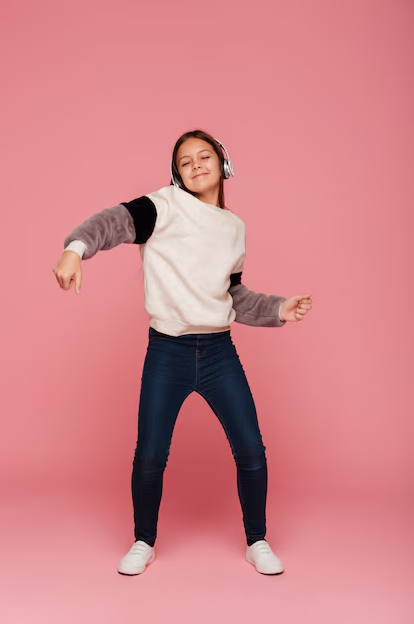
Dance is far more than just a fun activity for children—it's a comprehensive developmental tool that nurtures physical, emotional, and social growth. As experienced dance instructors at our Eilat studio, we've witnessed firsthand the transformative power of dance in children's lives.
1. Physical Coordination and Motor Skills
Dance training significantly improves a child's gross and fine motor skills. Through structured movement and choreography, children develop better balance, spatial awareness, and body control. These foundational skills transfer to other physical activities and daily tasks, helping children move more confidently and safely.
Regular dance classes also enhance cardiovascular health, muscle tone, and flexibility. Unlike many sports that focus on specific muscle groups, dance provides a full-body workout that develops strength evenly across the entire body.
2. Confidence and Self-Expression
One of the most beautiful aspects of dance is how it empowers children to express themselves creatively. In our classes, we encourage students to interpret music and emotions through movement, giving them a healthy outlet for self-expression.
As children master new steps and perform in front of others, their confidence grows exponentially. This self-assurance extends beyond the studio, positively affecting their academic performance and social interactions.
"Dance gives children a voice when words aren't enough. It's a language that transcends barriers and builds confidence from the inside out."
— Maksim, Lead Instructor
3. Social Skills and Teamwork
Dance classes provide a structured social environment where children learn to work together, respect others, and develop friendships. Group choreography teaches the importance of coordination, timing, and supporting fellow dancers.
Students learn to give and receive constructive feedback, celebrate each other's successes, and navigate the dynamics of being part of a team. These social skills are invaluable as children grow and face increasingly complex social situations.
4. Discipline and Focus
Learning dance requires dedication, patience, and consistent practice. Children develop discipline as they work to perfect movements, remember choreography, and prepare for performances. This structured approach to learning helps build strong work habits that benefit academic pursuits.
The focus required in dance class—listening to instructions, counting beats, and coordinating movements—strengthens concentration skills that translate directly to classroom learning and homework completion.
5. Cultural Awareness and Appreciation
Through exposure to various dance styles from different cultures—from Argentine Tango to Hip-hop—children develop an appreciation for diversity and global artistic traditions. This cultural education broadens their worldview and fosters respect for different backgrounds and traditions.
At our studio, we incorporate stories and history behind dance styles, helping children understand the cultural context of the movements they're learning.
Getting Started
If you're considering dance classes for your child, there's no better time to start than now. Our beginner-friendly classes for children aged 3-6 provide a welcoming environment where kids can explore movement, make friends, and develop skills that will benefit them throughout their lives.
We invite you to visit our studio in Eilat, observe a class, and see firsthand how dance can enrich your child's development. Book a trial class today and watch your child discover the joy of movement!
"Dance gives children a voice when words aren't enough. It's a language that transcends barriers and builds confidence from the inside out."
— Maxim, Lead Instructor
Ready to dance? Book now, start today!
Choose a class from our schedule and pay directly via Bit to reserve your spot
View Class Schedule